
The Hidden Risks of Incorrect Patient Positioning (And How to Avoid Them)
Posted 5 August 2026
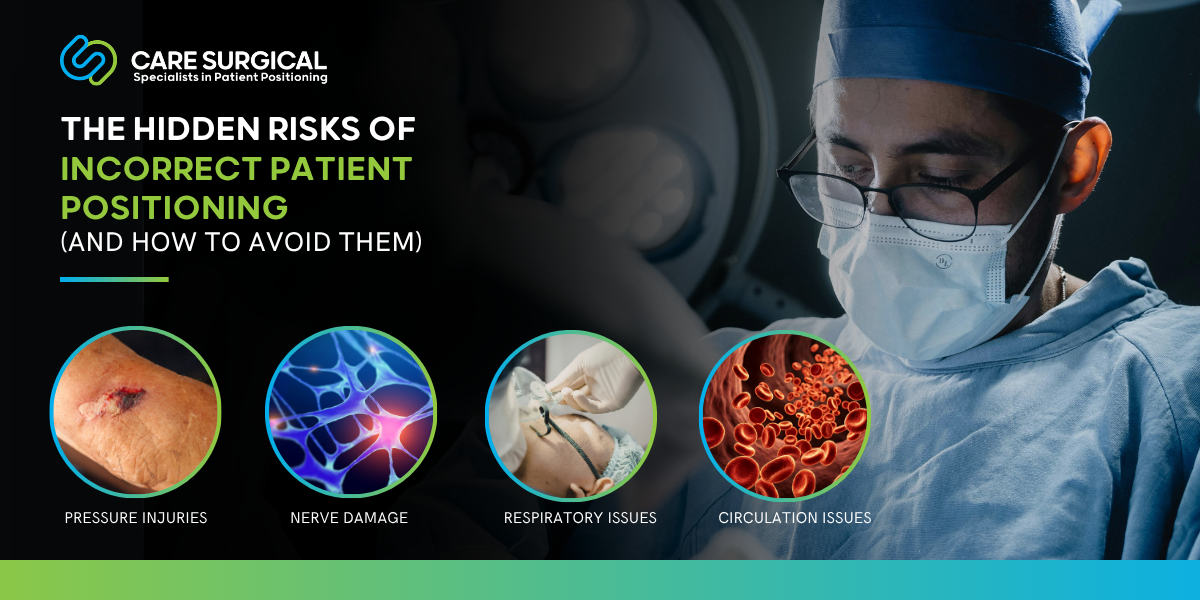
In operating theatres and clinical environments, positioning is a routine part of the process. However, it should never be treated as one-size-fits-all, as every patient requires careful consideration to support safety, surgical outcomes, and recovery. When patients are positioned without the necessary precision and care, the consequences can be serious and long-lasting, however, many of these incidents are completely avoidable.
So, what are Positioning-related risks? And how can healthcare teams reduce them?
Why Patient Positioning Matters More Than You Think
Positioning isn’t just about access for the surgeon. It directly affects:
- Circulation
- Avoiding nerve damage
- Pressure distribution
- Respiratory function
- Overall patient safety
Even small positioning errors can lead to complications that can extend recovery time or result in permanent injury.
With increasing pressure on operating theatres to improve efficiency, it’s easy for positioning to become rushed or inconsistent, but that’s where risk begins to creep in.
The Hidden Risks of Incorrect Patient Positioning
1. Pressure Injuries (Hospital-Acquired Pressure Ulcers)
Pressure injuries are one of the most common complications linked to positioning.
Patients undergoing long procedures in the prone position are particularly vulnerable, especially when pressure points aren’t properly supported. Key areas at risk include the face, chest, iliac crests, knees, and toes, where sustained pressure can quickly lead to tissue damage if not carefully managed.
Why it happens:
- Prolonged immobility
- Inadequate padding
- Poor weight distribution
The impact:
- Increased hospital stays
- Higher treatment costs
- Patient discomfort and reduced quality of life
2. Nerve Damage
Incorrect positioning can stretch, compress, or trap nerves, sometimes without immediate signs.
Common examples include:
- Brachial plexus injuries
- Ulnar nerve damage
- Peroneal nerve injury in lithotomy positions
These injuries may not be noticed until after surgery, making them harder to trace and prevent retrospectively.
3. Compromised Circulation
Incorrect positioning can restrict blood flow, increasing the risk of:
- Deep vein thrombosis (DVT)
- Compartment syndrome
- Tissue ischemia
Even slight misalignment or compression can reduce perfusion over time, especially during longer procedures.
4. Respiratory Complications
Positioning directly affects how well a patient is ventilated, particularly in prone or lateral positions.
If the chest or abdomen is compressed:
- Lung expansion is reduced
- Oxygenation can be compromised
- Ventilation becomes less efficient
This is especially critical in patients with pre-existing respiratory conditions.
5. Increased Risk of Litigation
From a legal perspective, positioning-related injuries are often preventable, which makes them a significant liability risk.
Inaccurate or incomplete documentation, inconsistent processes, or lack of training can all contribute to claims of negligence.
Why These Risks Are Often Overlooked
Despite the seriousness of these complications, positioning issues are frequently underreported.
That’s because:
- The symptoms / injuries may not become apparent until days later and may not be linked to the operation
- Responsibility is shared across teams
- Positioning is seen as a “basic” task rather than a clinical priority
This creates a gap between practice and prevention.
How to Avoid Patient Positioning Risks
The good news? Most positioning-related complications are preventable with the right approach, equipment, and training.
1. Standardise Positioning Protocols
Consistency is key.
Develop clear, procedure-specific positioning guidelines that all team members follow. This reduces variation and ensures best practice is applied every time.
2. Invest in the Right Equipment
Not all positioning solutions are created equal.
Using well-designed, pressure-relieving supports can:
- Improve weight distribution
- Reduce pressure points
- Enhance stability during procedures
Look for equipment that is:
- Adjustable
- Easy to use
- Designed for multiple patient types and positions
- have alternatives available, in case a device doesn’t fit as expected, is damaged or somewhere else in use.
3. Prioritise Training and Education
Even experienced staff benefit from regular training.
Hands-on workshops and practical sessions help teams:
- Understand positioning risks
- Learn correct techniques
- Stay updated with best practices
- stay updated about what is the state of the art / available on the market
4. Encourage Team Communication
Positioning is a team responsibility.
Surgeons, nurses, and ODPs should all be aligned on:
- Patient needs
- Procedure requirements
- Potential risks
A quick positioning check before surgery begins can make a significant difference.
5. Monitor and Review Outcomes
Tracking positioning-related incidents helps identify patterns and areas for improvement.
This could include:
- Pressure injury audits
- Post-operative complication reviews
- Feedback from clinical teams
Patient positioning might seem like a small part of the surgical process, but its impact is anything but small.
By recognising the hidden risks and taking proactive steps to address them, healthcare teams can significantly improve patient safety, reduce complications, and enhance overall outcomes. They can also make their workflow more efficient and, by following a set of well-practised steps, protect themselves as well.
In a fast-paced clinical environment, it’s often the fundamentals that make the biggest difference.
Other News & Updates
Join us at NASS 2026
Posted 30 September 2026
Join us at Europsine 2026
Posted 23 September 2026
Join us at IGPP North
Posted 27 August 2026